
How to Search Murray County Court Records
Murray County court records are not held in one public database. Superior Court case files, land records, liens, UCC filings, plats, child-support records, family violence filings, jury records, civil cases, and criminal cases route through the Clerk of Superior Court. Probate Court keeps marriage, estate, will, guardianship, vital-record, weapons-carry, and Probate Court traffic material. Magistrate Court handles limited civil claims, dispossessory matters, and lower-court warrant or preliminary matters. The first step is to identify the court before choosing a search tool.
The county and state sources give several official access channels. The Murray County Clerk of Superior Court is the direct point for Superior Court records. Murray KoFile QuickLink and GSCCCA search support land, lien, UCC, plat, and index work. Georgia Probate Records provides public marriage search, with related estate and will searches for Probate Court files.
- Identify whether the file belongs to Superior Court, Probate Court, Magistrate Court, Juvenile Court, or a municipal court.
- Use the matching portal when one exists, such as Georgia Probate Records, KoFile QuickLink, GSCCCA, PeachCourt, nCourt, or EZCourtPay.
- If no public portal fits the case, call or visit the office that keeps the file and ask what search details are needed.
- Confirm copy fees, certification steps, redaction rules, and whether the record can be inspected in person.
- For sealed, juvenile, adoption, or restricted criminal-history records, ask what party status, ID, prosecutor action, or court order is required.
The official Murray County homepage links into the county court and public-safety departments used throughout local records work.

That county homepage is useful as a starting point, but record access still depends on selecting the right court office after the first click.
Murray County Court System
Murray County is in the Conasauga Judicial Circuit with Whitfield County. Superior Court is the primary trial court for felony criminal cases, divorce, land-title cases, equity, habeas, mandamus, adoptions, and appeals from Probate Court and Magistrate Court. Georgia's statewide hierarchy runs from trial courts to the Court of Appeals of Georgia and the Supreme Court of Georgia. Federal matters are separate and route to the Northern District of Georgia, Rome Division.
The local court map is practical. Superior Court and the Clerk of Superior Court operate from the downtown courthouse. Probate Court sits nearby on West Fort Street. Magistrate Court, the Sheriff's Office, and the jail are on G.I. Maddox Parkway. A single criminal matter may touch the jail for custody and bail, Magistrate Court for early proceedings, and Superior Court for felony prosecution and final court records.
Case flow: Magistrate, Probate, Juvenile, or Municipal Court › Murray County Superior Court › Georgia Court of Appeals or Supreme Court of Georgia
| Court or Office | Role | Phone |
|---|---|---|
| Superior Court | Felonies, divorce, land title, equity, adoptions, and appeals from lower courts | (706) 278-5897 |
| Clerk of Superior Court | Superior Court filings, criminal and civil records, deeds, liens, UCCs, plats, jury, and fines | (706) 695-2932 |
| Probate Court | Estates, wills, guardianships, marriage, vital records, weapons carry, and traffic citations | (706) 695-3812 |
| Magistrate Court | Civil claims of $15,000 or less, dispossessory matters, forms, e-filing, and warrant-related work | (706) 695-3021 |
| Sheriff and Jail | Arrest status, charges, bail or release status, crime reports, and public-safety records | (706) 695-4592 |
The Murray County courts landing page shows the local court offices side by side.
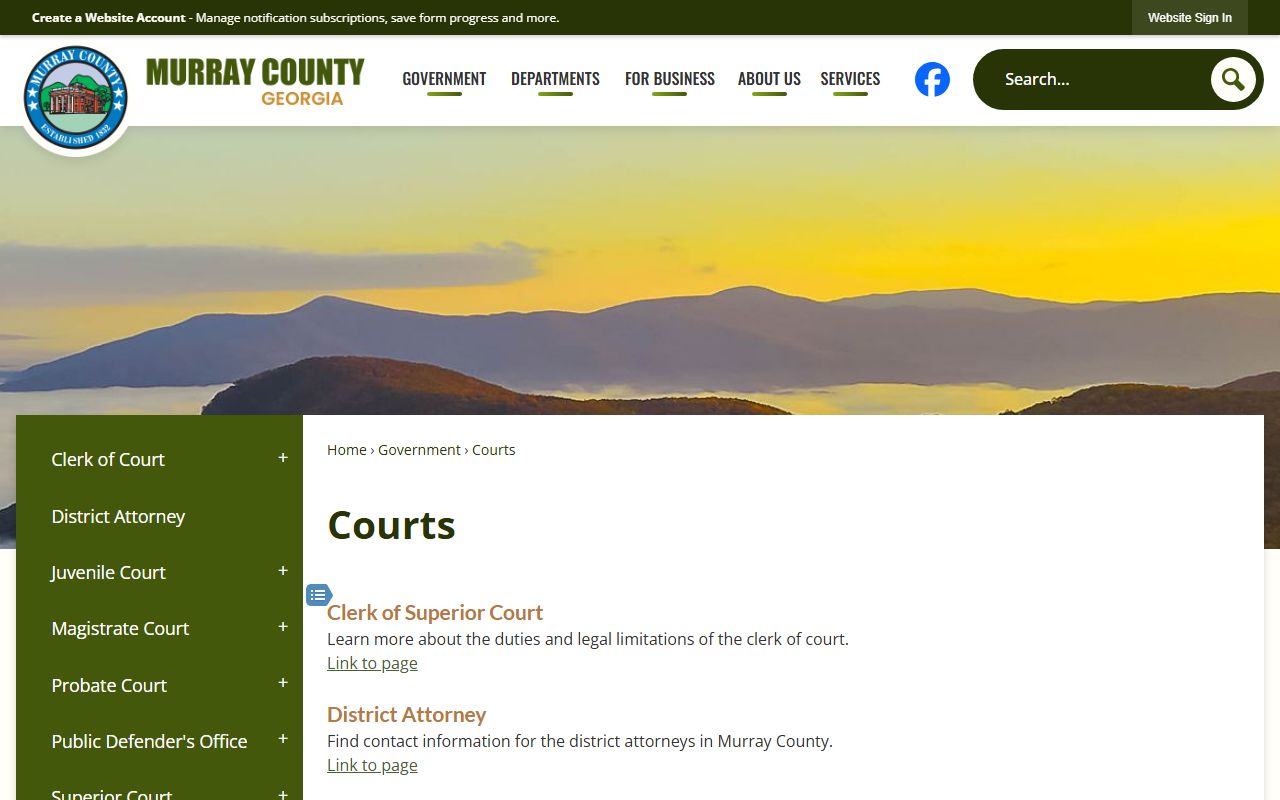
That layout reflects the county's split system: court records may sit with a clerk, a judge's court, the sheriff, or a statewide court service.
Murray County Courthouse Offices
The main courthouse for Superior Court and Clerk of Superior Court work is the Murray County Courthouse at 121 N. Third Ave. in Chatsworth. Probate Court is nearby at 115 W. Fort St. Magistrate Court is not in the courthouse block; it is beside the sheriff and jail campus at 812 G.I. Maddox Parkway. The courthouse location matters because older file inspection, certified-copy requests, and records that are not online may require a direct office visit.
Murray County Courthouse
121 N. Third Ave.
Chatsworth, GA 30705
(706) 695-2932
The county courthouse facility page describes the 1916 Doric courthouse and its rare dome.
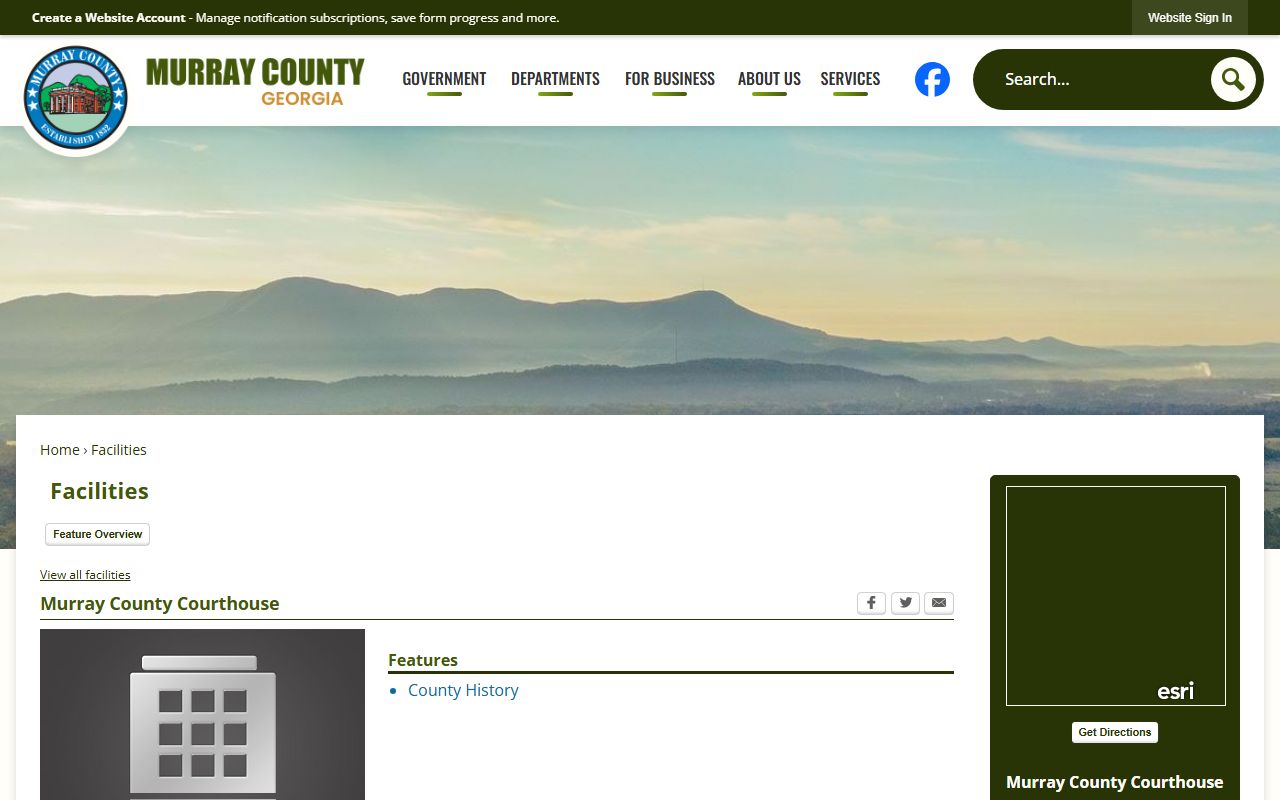
The courthouse is both a historic building and the active records access point for Superior Court and Clerk of Superior Court business.
Murray County Court Record Types
Murray County court records include civil complaints, answers, motions, orders, judgments, garnishments, liens, Fi.Fa. records, appeals, criminal files, divorce and domestic filings, family violence filings, adoption filings, probate estates, wills, guardianships, marriage licenses, vital records, traffic citations, and juvenile matters. Each category has a different access path. Superior Court records and land records are a Clerk of Superior Court function. Probate files are a Probate Court function. Jail custody records start with the sheriff and jail.
Juvenile and adoption records are not public in the same way as adult civil or criminal case files. Birth and death certificates require eligible-requester status. Criminal-history restriction is handled under Georgia law and may involve the prosecutor or arresting agency depending on the arrest date. For public users, the safest approach is to ask the record-holding office what can be inspected and what requires ID, party status, or a court order.
- Criminal records include charges as filed, pleas, motions, hearings, dispositions, sentences, and related bench-warrant entries.
- Civil records include complaints, answers, motions, judgments, garnishments, liens, and post-judgment collection tools.
- Family and divorce records are Superior Court matters, while adoptions are handled with tighter access limits.
- Probate records include estates, wills, administrations, guardianships, years support, and safekeeping of wills.
- Traffic court records in the county research center on Probate Court citations and payment or hearing consequences.
What Murray County Court Records Show
A Murray County court record may be a full case file, a docket entry, a payment screen, an index record, a certified copy, or a search-result summary. The visible fields depend on the court and system. A Superior Court file may show case number, parties, attorneys, judge, filings, motions, orders, hearing dates, judgment, disposition, sentence, fine or fee data, and document images if available through the clerk or a registered system. Probate searches expose narrower fields tied to marriage, estate, and will indexes.
| Field | What It Shows |
|---|---|
| Case Number | The court's tracking number for filings, docket entries, copy requests, and payments. |
| Filing Date | The date the case, petition, citation, or document was opened or recorded. |
| Parties | Names of plaintiffs, defendants, applicants, petitioners, respondents, deceased persons, or spouses. |
| Charges or Cause | The criminal charge, civil claim, probate matter, traffic citation, or domestic case type. |
| Disposition | The current or final outcome, such as judgment, dismissal, plea, conviction, sentence, or closed status. |
| Sentence or Judgment | The penalty, probation, fine, civil award, order, or other final direction entered by the judge. |
Murray County Court Records Access Laws
Georgia public-records law supports inspection and copying of public records unless a statute, rule, or court order limits access. For Murray County court records, the practical route is usually the record-holding court office first, not a generic open-records request. The Clerk of Superior Court handles Superior Court case and land records. Probate Court handles estate, will, marriage, vital-record, and traffic matters. Magistrate Court handles its limited-jurisdiction records. The sheriff and jail handle arrest, custody, bail, and crime-report access.
Key Statutes:
O.C.G.A. § 50-18-70 et seq. - Georgia public records are generally open unless a law or court order creates an exception.
O.C.G.A. § 50-18-71 - Agencies must allow inspection and copying and may charge lawful retrieval, redaction, and copy costs.
O.C.G.A. § 35-3-37 - Georgia uses record restriction for certain criminal-history records when eligibility rules are met.
O.C.G.A. § 15-11-708 - Juvenile law-enforcement records are kept apart from adult arrest records.
Murray E9-1-1's open-records page is a local example of the three-business-day response rule. It says requests are usually filled the same business day, delays will be identified, and not all records are subject to open-records requests.
Restricted Murray County Court Records
Restricted court records include juvenile matters, adoption files, sealed case files, certain criminal-history records, personal identifiers, and vital records. Juvenile Court matters involving children under 17, dependency, CHINS, delinquency, and juvenile traffic are not ordinary adult public files. Adoption records are handled through Superior Court and the clerk, but access is limited. Birth and death certificates require eligible-requester status, valid ID, and the required request details.
Georgia record restriction is not the same as sealing a court file. The GBI explains that arrests after July 1, 2013 route to the prosecutor for restriction requests, while older arrests may begin with the arresting agency. In Murray County criminal cases, that can make the District Attorney important. If a judge has sealed a file, the clerk may require party status, attorney access, or a court order before inspection.
Note: The Clerk of Superior Court can help locate or copy records, but clerk staff cannot give legal advice.
Murray County Specialty Courts
The Conasauga Judicial Circuit operates Drug Court, Domestic Violence Court, and Mental Health Court. Murray County Superior Court states that Drug Court began in 2002, Domestic Violence Court began in 2014, and Mental Health Court began in 2018. These accountability courts are programs within the court system, not separate public record offices. The underlying case file still connects back to the criminal, family-violence, or related court case.
Specialty court records may include orders, compliance reviews, program conditions, treatment obligations, sanctions, and graduation or termination entries. Public access can be narrower where treatment details, victim information, mental-health facts, or sealed material are involved. The Treatment and Accountability Courts phone number listed in the county directory is (706) 281-4811.
Murray County Sheriff and Jail Records
The Murray County Sheriff's Office is at 810 1/2 G.I. Maddox Parkway in Chatsworth. Sheriff Jimmy Davenport is listed on the official sheriff page. The sheriff main number is (706) 695-4592, and the jail phone listed by official sources is (706) 695-4593. The sheriff FAQ says jail staff can tell callers whether someone has been arrested, what charges were brought, whether the person will be released on bail, cited, or released on recognizance, and the bail amount.
No official Murray County online jail roster was found in the research. That makes the jail phone line the county-specific access channel for Murray County inmate records. Warrant checks also do not appear in a public county warrant database. Georgia.gov tells users to contact the local sheriff and prepare the person's name and birth date; the Murray County warrant records page explains the local phone, jail, court, and traffic failure-to-appear routes.
The Sheriff's Office page gives the public-safety office location and contact details.
State court resources help explain the broader Georgia court system, but local jail and warrant questions still route through Murray County offices.
Murray County Marriage and Probate Records
Marriage licenses, certified marriage-license copies, estates, wills, guardianships, birth certificates, death certificates, weapons-carry licensing, and Probate Court traffic matters go through Murray County Probate Court. Divorce records are different. Murray County divorce cases are Superior Court records because Superior Court has exclusive constitutional authority over divorce in Georgia. A later marriage-license application may require a certified divorce decree from the Clerk of Superior Court.
Georgia Probate Records provides public search tools for recorded marriage licenses, estate records, and wills. Marriage applications require both applicants, ID, birth certificates, and prior-marriage proof when applicable. Probate filings may include administrations, executorships, no-administration matters, years support, guardianships, claims, dismissions, and safekeeping of wills.
- Testator
- A person who made a will.
- Executor
- The person named to carry out a will.
- Guardianship
- A court-supervised role for care of a minor or incapacitated adult.
Murray County Court Record Fees
The research did not locate a Murray County Clerk of Superior Court plain-copy or certified-copy fee schedule, so those copy costs should be confirmed with the clerk before ordering. Several related official fees were documented. Probate Court publishes marriage, vital-record, and probate filing costs. Magistrate Court publishes selected filing and post-judgment fees. GSCCCA eCertification is available for digital certified court and real estate records, but the Murray page did not publish a local price in the research.
| Item | Amount |
|---|---|
| Certified copy of a Murray marriage license | $10 each |
| Birth or death certificate | $25 first copy, $5 each additional copy requested at the same time |
| Probate administration or no administration filing | $202 filing, plus publication and service costs when required |
| Safekeeping of wills | $15 |
| Magistrate Fi.Fa. issuance and Superior Court recording | $29 total |
Read Murray County Court Records
A docket is the chronological list of filings and court events. A disposition is the current or final outcome. A charge is an allegation or count filed by law enforcement or the prosecutor; it is not the same as a conviction. A conviction appears only after a guilty plea, finding of guilt, or verdict. A sentence is the punishment imposed after conviction, while a civil judgment is the final court decision in a civil case.
Probate search results are narrower than full court files. A marriage search field may show applicants and date ranges. Estate and will searches ask for deceased name, executor, filing, death, or deposit dates. Land and lien index records may point to book, page, instrument, or name entries, but KoFile warns that courthouse records control if an online record conflicts with the official file.
Murray County Record Limits
Online records may lag behind courthouse activity. Payment portals may show only citation or payment information, not the full court file. Probate indexes may show search fields and index results, not every document image. State offender searches cover sentenced state offenders, not all Murray County Jail detainees. Federal databases cover federal cases and custody, not county court records.
The Clerk of Superior Court, Probate Court, Magistrate Court, and sheriff each control different records. If a record looks incomplete, start with the originating office. Ask whether the file is sealed, restricted, too old for the online index, pending clerk processing, or held by a different court.
Note: Confirm deadlines, warrant status, payment status, and certified-copy needs with the originating office before relying on online entries.
Murray County Court History
Murray County was created in 1832, and older historical references may point to Spring Place, the original county seat, before court and government functions centered in Chatsworth. The current courthouse was erected in 1916 and remains a working public building. National Park Service material identifies the Murray County Courthouse as NRIS 80001123 and ties it to law, politics, government, architecture, economics, and communications.
The National Register asset record documents the courthouse's historic status.
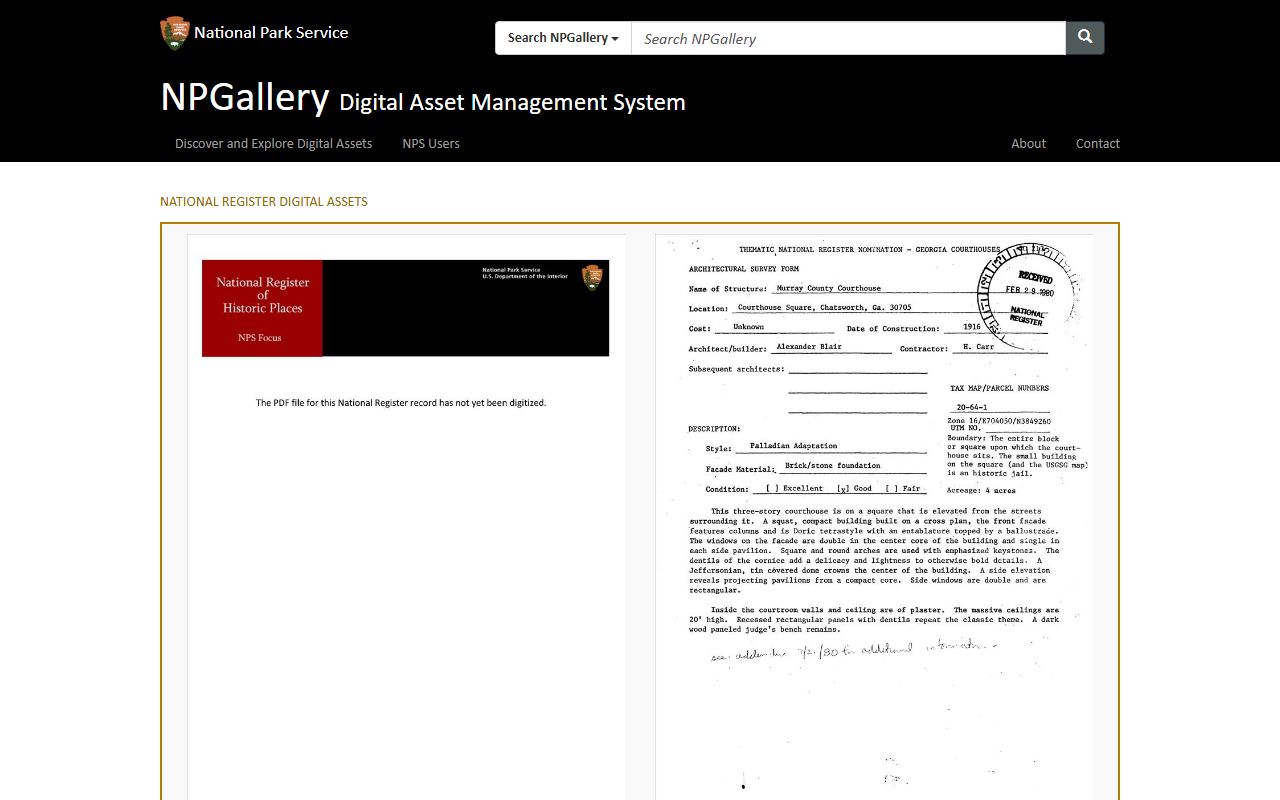
That history matters for record users because older deeds, probate files, and courthouse references may use place names and filing patterns that predate modern online search tools.
The National Register program provides context for how courthouse historic records are documented.
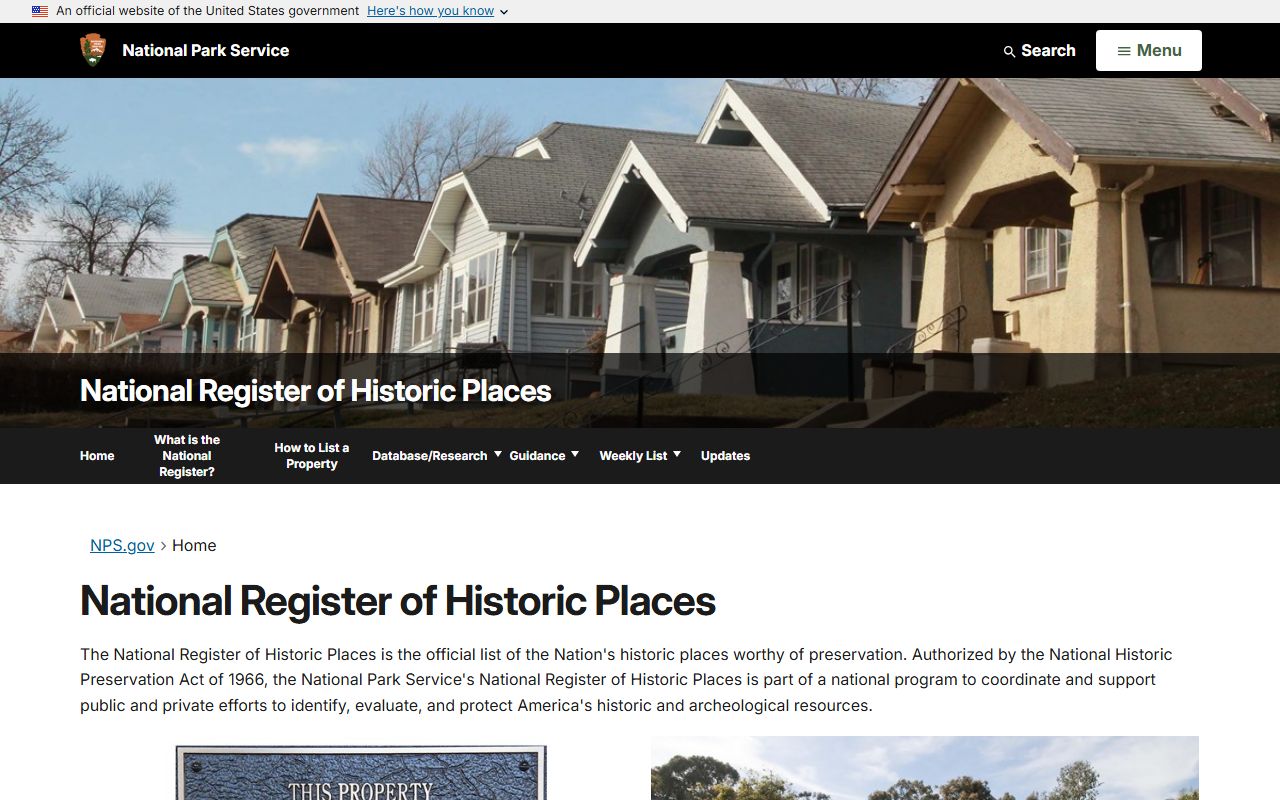
Historic designation does not replace clerk records, but it helps explain why the courthouse appears in both legal and preservation sources.
The Census QuickFacts page for Murray County gives population and geography context for the county's court service area.
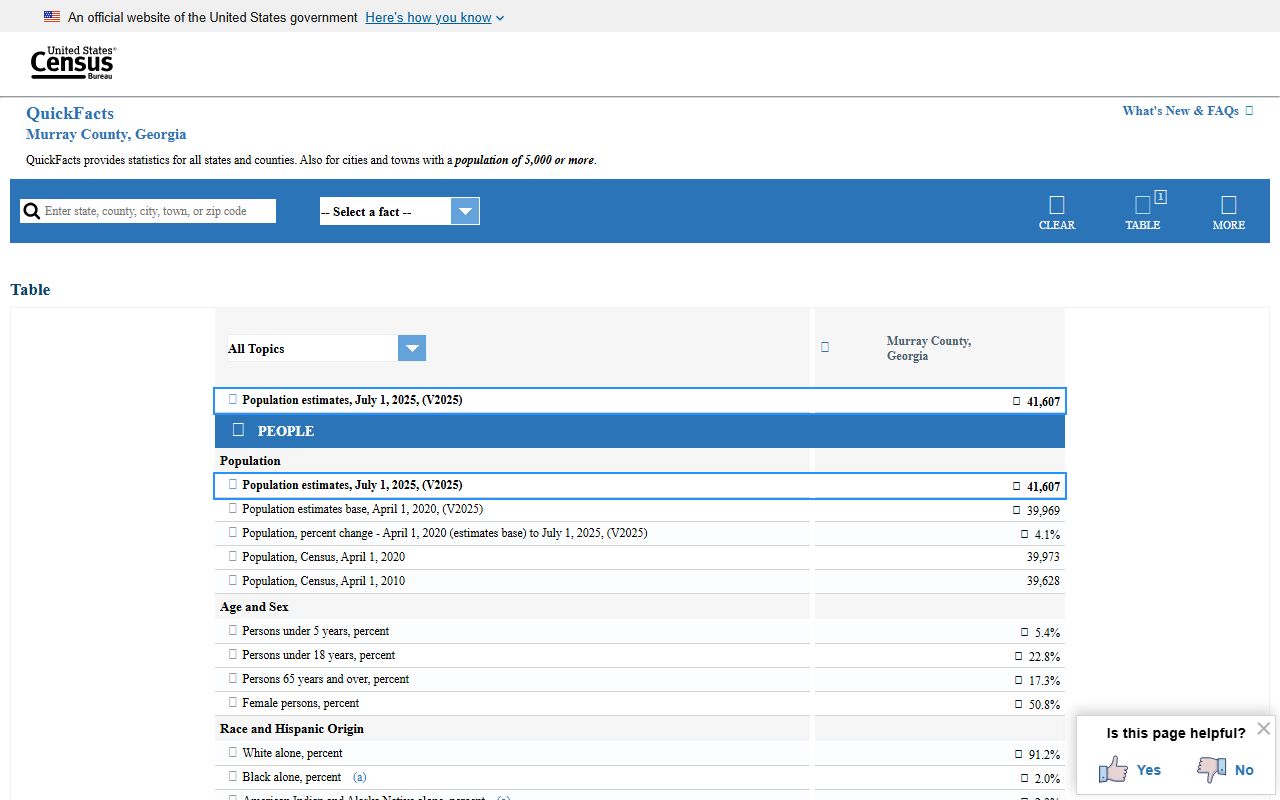
Population and geography help explain why phone and in-person access remain important in a county with a compact courthouse area and a separate public-safety campus.
Frequently Asked Questions
Where are Murray County Superior Court records kept?
The Clerk of Superior Court keeps Superior Court civil, criminal, domestic, appeal, lien, UCC, deed, plat, fine, fee, jury, and related records. The office is at 121 N. Third Ave. in Chatsworth and can be reached at (706) 695-2932.
Is there one Murray County case search website?
No single official public portal was verified for every Murray County case type. Probate records use Georgia Probate Records, land and index searches use KoFile and GSCCCA, payments use court-specific payment portals, and many Superior Court records require the Clerk of Superior Court.
How do I check whether someone is in jail?
The official research points to a phone lookup, not an online county roster. Call Murray County Jail at (706) 695-4593 for arrest status, charges, release or bail status, and bail amount.
Who handles Murray County traffic tickets?
Murray County Probate Court publishes the local traffic citation instructions. Traffic citations may be paid online, in person, or by mail, and missed payment or appearance can lead to DDS suspension or a warrant for bondable offenses.
Where are marriage and divorce records?
Marriage licenses and certified marriage-license copies are Probate Court records. Divorce case files and certified divorce decrees are Superior Court records requested through the Clerk of Superior Court.
Can the clerk tell me what to file?
No. The Clerk of Superior Court page says clerk staff are forbidden to practice law and cannot prepare documents as legal advice. They can route records and filings, but legal strategy belongs with an attorney.